
Walk through any older neighborhood in North Highlands and you’ll notice the same thing: big, beautiful trees that have been standing since the houses were built. They shade driveways, cool down patios in July, and add real value to a property. But they also need attention, and a lot of homeowners don’t realize a tree is struggling until it’s too late to save cheaply.
If you’ve been putting off calling someone about that oak leaning a little too far over the fence, or the pine dropping branches after every windstorm, you’re not alone. Most people wait until a tree becomes a problem instead of catching the warning signs early. That’s usually where Tree Services in North Highlands, CA come in — not as an emergency fix, but as the kind of routine care that keeps a small issue from turning into a five-figure removal bill.
Signs Your Tree Needs Attention
Trees don’t fail overnight. They give warnings for months, sometimes years, before a limb comes down or the whole thing topples in a storm. A few things worth watching for:
- Bark that’s peeling or cracking in vertical strips, especially near the base
- Mushrooms or fungal growth around the root zone (a sign of internal rot)
- Branches that die back from the tips inward, season after season
- A visible lean that’s gotten worse compared to last year
- Roots lifting sidewalks, foundations, or irrigation lines
None of these mean the tree is a lost cause. Most of the time, a good tree trimming or tree pruning job solves the problem before it becomes structural. The issue is that most homeowners don’t know what they’re looking at, and by the time a branch actually snaps, the damage has usually been building for a while.
Local Climate and Soil Challenges
The soil and climate here aren’t the same as in Sacramento proper or over toward Roseville. North Highlands sits in a spot where clay-heavy soil holds water differently, summers run hot and dry for months at a stretch, and then winter rains show up all at once. That combination stresses root systems in a specific way — trees that look fine in June can be quietly weakened by August, right when Sacramento County sees its highest winds of the year.
Older trees planted decades ago, especially elms, oaks, and some of the fast-growing pines common in this part of the valley, weren’t always planted with mature root spread in mind. That’s part of why local arborist consultations matter more here than they might in a different climate. Someone who works with these species every week can spot stress patterns that a general landscaper would miss entirely.
What Professional Tree Care Includes
People sometimes assume “tree work” just means someone shows up with a chainsaw and cuts off whatever looks messy. In reality, a proper job usually involves a few distinct pieces, and not every tree needs all of them.
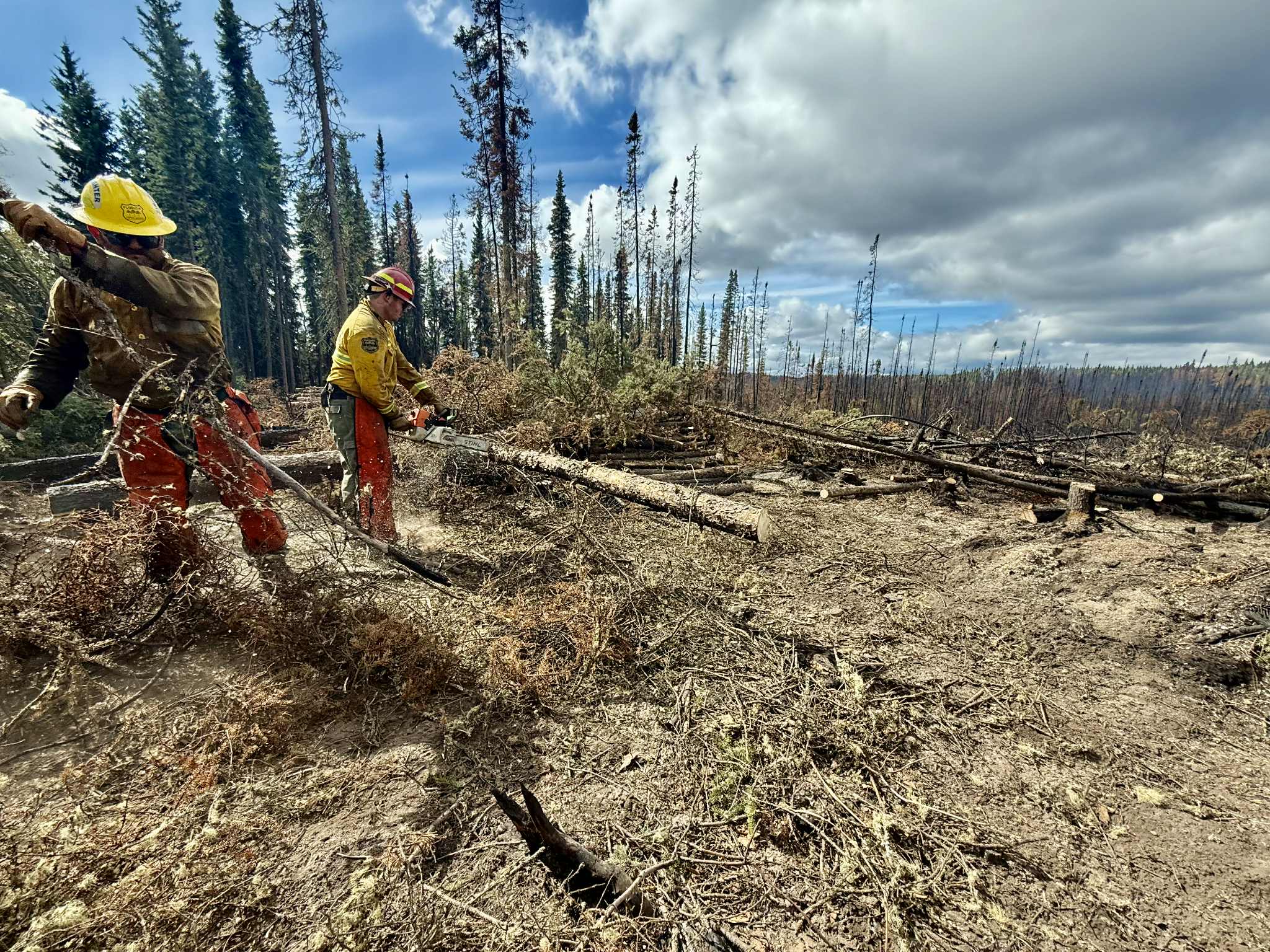
Tree removal is the most obvious one, and honestly the one people call about most urgently — usually after a tree has already died, split, or become a hazard to a roof or power line. It’s not a job for a homeowner with a ladder and a borrowed saw. Removing a mature tree safely, especially near a house or fence line, takes rigging, the right equipment, and someone who understands how the weight will shift as limbs come down.
Stump grinding comes right after removal for most people, mainly because a leftover stump is a magnet for termites and a tripping hazard in the yard. It’s also just easier to landscape around a flat patch of ground than a three-foot stump with roots spreading in every direction.
Then there’s ongoing tree trimming and pruning, which is honestly the part that gets skipped most often even though it prevents most of the expensive problems down the line. Cutting back deadwood, thinning a canopy that’s grown too dense, and shaping young trees while they’re still small all pay off years later.
Cost Factors to Consider
Pricing for this kind of work swings a lot, and it’s not random. A few things drive the number up or down:
- Tree size and species — a 60-foot valley oak costs more to trim than a young ornamental pear, both in time and equipment.
- Location on the property — anything tangled with power lines, close to a roof, or squeezed between fences takes longer and needs more careful rigging.
- Health and stability — a dead or diseased tree is often more dangerous to remove than a healthy one, which affects labor.
- Access for equipment — a backyard reachable only through a side gate usually means more manual work instead of machine work.
- Debris hauling — some companies include cleanup and hauling in the quote, others charge separately, so it’s worth asking directly.
Getting two or three quotes is normal and expected in this line of work. What matters more than the number itself is whether the estimate is specific — a vague price over the phone without anyone actually looking at the tree is usually a red flag.
Safety and Liability
This part gets glossed over a lot, but it shouldn’t. Tree work is consistently ranked among the more dangerous trades, and that’s not an exaggeration meant to scare anyone into hiring a professional. Chainsaws at height, falling limbs, and unpredictable weight shifts are a bad combination for anyone without training.
Beyond the physical risk, there’s also liability to think about. If a DIY tree removal damages a neighbor’s fence or, worse, a power line, the homeowner is usually on the hook for it. A licensed and insured company carries coverage specifically for that scenario, which is one of the quieter reasons people end up calling a certified arborist instead of handling it themselves, even for jobs that look manageable at first glance.
Best Time for Tree Work
Late winter, right before spring growth kicks in, tends to be the ideal window for major pruning in this region. The tree is dormant, disease spreads less easily through fresh cuts, and it’s easier to see the branch structure without a full canopy of leaves in the way. Removal work, on the other hand, can happen year-round, though most companies get noticeably busier right after the first big windstorm of the season, when a lot of weak limbs finally give out.
Waiting until an obvious emergency also tends to cost more. Storm-damage calls come with rush pricing in a lot of cases, simply because everyone else in the neighborhood is calling at the same time.
Why Choose a Local Company
There’s a real difference between a company that drives in from across the county for a one-off job and one that actually works in this specific area regularly. Local crews already know which streets have older, more brittle trees, which HOAs have specific rules about removal, and how the county handles permits for larger trees on residential lots.
That local familiarity tends to show up in small but meaningful ways — a faster response after a storm, a more accurate first-look estimate, and a better sense of which trees on a block are likely to become problems next.
Frequently Asked Questions
How often should trees be trimmed?
Most established trees do well with tree trimming every 2–3 years. Younger trees benefit from lighter, more frequent shaping — usually once a year — to guide healthy growth while branches are still small.
Do I need a permit to remove a tree in North Highlands?
It depends on the tree’s size and species, and sometimes on whether the property falls under an HOA. Sacramento County has specific rules for larger native trees, so it’s worth checking before scheduling tree removal, especially for oaks.
Is stump grinding necessary, or can a stump just be left in the yard?
It’s not required, but a leftover stump attracts termites, rots slowly, and gets in the way of landscaping. Most homeowners have stump grinding done right after removal to avoid dealing with it later.
How do I know if a tree is dead or just dormant?
Dormant trees still have flexible, green-tinted branches underneath the bark and buds that will open in spring. A dead tree’s branches snap cleanly and dry, with no green layer beneath the bark at all. A quick scratch test on a small branch usually settles it.
What’s the difference between a landscaper and a certified arborist?
A landscaper generally handles overall yard upkeep, while a certified arborist has specific training in tree biology, disease, and structural risk. For anything involving a large or unhealthy tree, an arborist’s assessment is the safer call.
How much does professional tree removal usually cost?
It varies widely based on size, location, and access, but most quotes reflect the five cost factors above. Getting an in-person estimate is the only reliable way to know the real number for a specific tree.
Final Thoughts
At the end of the day, this isn’t really about chasing the cheapest quote or waiting until something falls. It’s about treating the trees on a property the way most people already treat their roof or their HVAC system — with routine attention instead of crisis management. Reliable Tree Services in North Highlands, CA are less about emergency rescues and more about the quiet, unglamorous maintenance that keeps a yard’s biggest, oldest features standing for another twenty years instead of be